
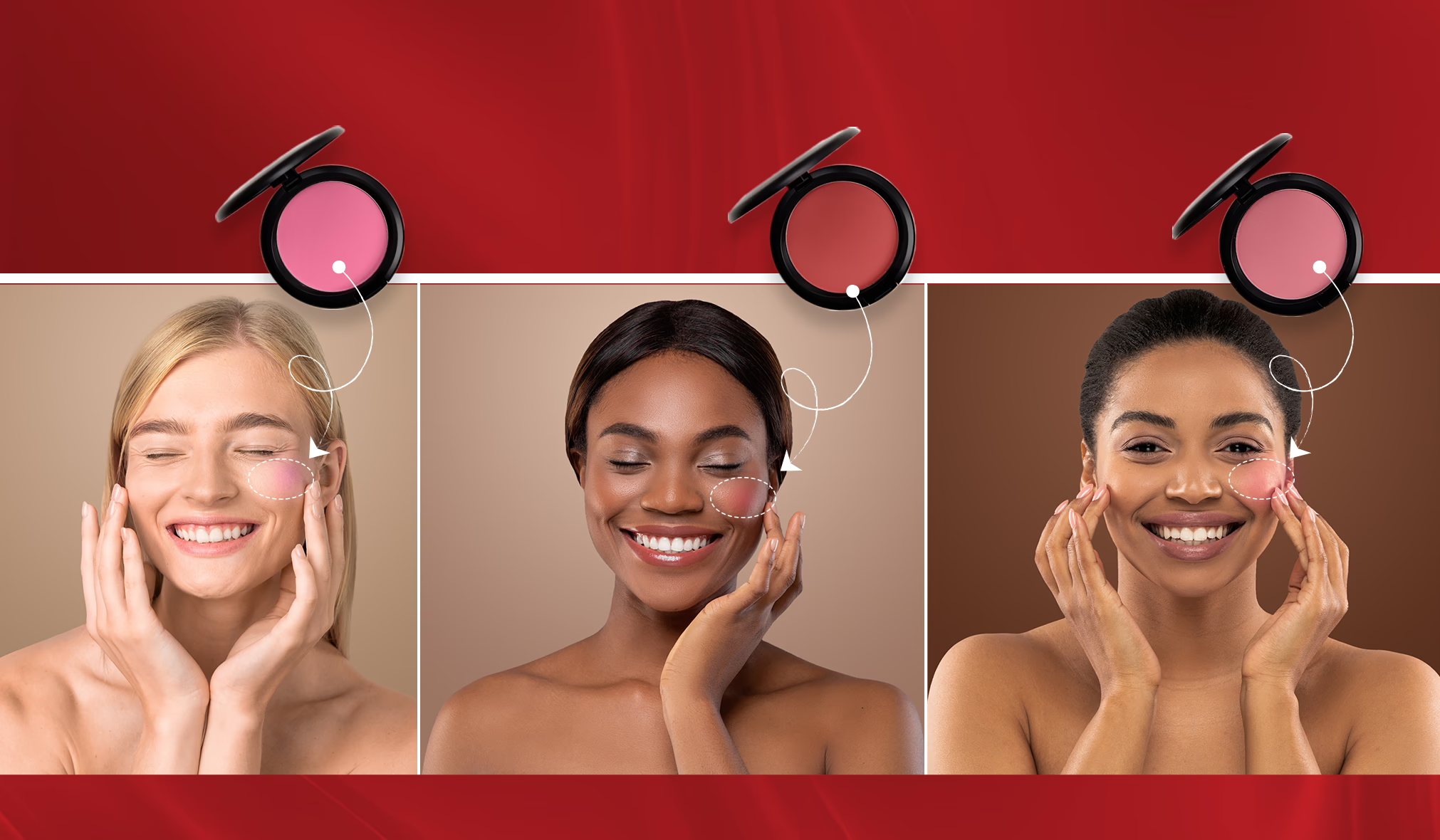
Finding the best blush color for your skin tone is not about choosing your favorite shade. It is about understanding how color interacts with your complexion. The right blush does more than add color. It restores dimension, balances your features, and makes your skin look naturally alive instead of flat or overly made up.
Table Of Content
- The Simple 3-Step System to Find Your Perfect Blush
- Step 1: Identify Your Skin Tone
- Step 2: Determine Your Undertone
- Step 3: Match Color Temperature
- The Best Blush Colors by Skin Tone
- Fair Skin
- Medium Skin
- Olive Skin
- Deep Skin
- How Undertones Change Everything
- Best Blush for Cool Undertones
- Best Blush for Warm Undertones
- Best Blush for Neutral Undertones
- Conclusion
Most people focus only on whether a shade looks “pretty” in the pan. That approach often leads to a blush that looks disconnected from the rest of the face. When blush clashes with your undertone, it can make skin appear dull, muddy, or overly red. When it harmonizes correctly, it creates a seamless flush that looks like it belongs there.
The key is understanding two factors: skin tone and undertone. Once you learn how these work together, choosing blush becomes simple and predictable instead of confusing.
The Simple 3-Step System to Find Your Perfect Blush
Here’s the simple 3-step system I suggest to find your perfect blush:
Step 1: Identify Your Skin Tone
Your skin tone refers to the depth of your complexion. It generally falls into one of five categories: fair, light, medium, olive, or deep. This determines how light or saturated your blush should be.
Fair and light skin tones tend to look best with softer pigments that do not overpower delicate coloring. Medium and olive tones can handle more saturation, while deep skin tones require richer, more intense shades to show up properly. If the pigment is too light for your depth, it may look chalky or disappear entirely.
Understanding your tone prevents the most common mistake: choosing a blush that is either too pale to show or too dark to blend naturally.
Step 2: Determine Your Undertone
Undertone is the subtle hue beneath your skin’s surface. It is usually classified as cool, warm, or neutral. While skin tone affects depth, undertone affects harmony.
A simple way to check your undertone is to look at your veins in natural light. Blue or purple veins usually indicate cool undertones. Green veins suggest warm undertones. A mix of both often points to neutral undertones.
Jewelry can also help. Silver tends to flatter cool undertones, while gold enhances warm ones. If both look equally natural, you are likely neutral.
Undertone matters because blush sits directly on top of your complexion. When the temperature of the blush matches your undertone, the result looks balanced and effortless instead of obvious.
Step 3: Match Color Temperature
Once you know your skin tone and undertone, you can match blush temperature correctly. This is where most confusion happens.
Cool undertones pair best with blue-based pinks, berries, and mauves. Warm undertones look more natural in peaches, corals, and apricots. Neutral undertones can move between both, but still benefit from balanced shades that are neither overly orange nor overly purple.
This matching principle is the foundation of choosing the best blush color for your skin tone. When temperature aligns, the blush enhances your complexion instead of competing with it.
The Best Blush Colors by Skin Tone
Below, we break down the most flattering blush families by skin tone so you can narrow your options:
Fair Skin
Fair skin benefits from lighter, softer shades that add color without overwhelming natural contrast. Baby pink, soft peach, and muted rose tend to look the most natural.
If your undertone is cool, lean toward light pink or subtle mauve. Warm undertones respond better to pale peach or soft coral. Neutral undertones can comfortably wear rose tones that sit between pink and peach.
Avoid extremely dark or heavily pigmented shades unless applied with a very light hand, as they can appear harsh against lighter skin depths.
Medium Skin
Medium skin tones have more flexibility because they can support both softness and saturation. Rose, warm peach, and soft berry shades tend to enhance natural warmth without overpowering the complexion.
Cool undertones look balanced in mauve or dusty rose. Warm undertones glow in apricot and coral. Neutral undertones can experiment with slightly deeper pinks that add dimension without looking heavy.
Because medium skin holds pigment well, you can build intensity gradually without the color disappearing into the skin.
Olive Skin
Olive skin contains subtle green or golden undertones that change how blush appears once applied. Shades that look vibrant in the pan may turn muted on olive complexions.
Muted coral, warm terracotta, and dusty rose typically complement olive skin beautifully. Cool olive undertones can wear balanced pinks, while warmer olive tones respond best to earthy peach and brick-leaning hues.
Very cool pastel shades may appear ashy against olive skin, so it is important to choose colors with enough warmth or depth to maintain clarity.
Deep Skin
Deep skin tones require rich, saturated blush shades that maintain vibrancy once blended. Light pastels often disappear or look chalky.
Bold berry, plum, brick red, and deep coral shades tend to create the most flattering effect. Cool undertones shine in blue-based berries, while warm undertones look radiant in red-orange or spiced pink tones.
Saturation matters more than lightness here. The right depth creates a luminous flush instead of a faint dusting that fails to show.
How Undertones Change Everything
Undertone is what determines whether a blush melts into your skin or sits on top of it. Two people with the same skin depth can wear completely different shades based on undertone alone.
Understanding this subtle layer is what separates a decent blush choice from a truly flattering one:
Best Blush for Cool Undertones
Cool undertones carry subtle pink, red, or bluish hues beneath the skin. Blush shades that mirror those tones tend to look the most natural and cohesive. Blue-based pinks, mauves, and berry shades usually enhance cool complexions without creating contrast that feels disconnected.
If a blush pulls too orange on cool skin, it can make the face appear uneven or slightly irritated rather than flushed. That is why temperature alignment matters more than brightness. A soft berry can look more natural on cool skin than a bright coral, even if the coral appears lighter in depth.
Choosing blush this way prevents the common issue of makeup looking “separate” from your complexion.
Best Blush for Warm Undertones
Warm undertones contain golden, peach, or yellow hues beneath the surface. Blush shades that echo that warmth create harmony and dimension without dullness. Peach, apricot, coral, and warm red tones tend to enhance the natural glow of warm complexions.
When warm skin wears overly cool blush, the result can look grayish or flat because the temperatures compete. Warm-toned blush blends more seamlessly and amplifies the skin’s inherent radiance.
Understanding this makes it easier to narrow down options when learning how to choose blush color for your skin tone without relying on trial and error.
Best Blush for Neutral Undertones
Neutral undertones sit between warm and cool, which allows for more flexibility. Balanced shades like soft rose, muted peach-pink, and gentle berry often work well because they do not lean too far in either direction.
While neutral skin can experiment more freely, extreme temperature contrasts can still look unnatural. A very orange blush may overpower a neutral complexion just as much as an icy lilac might. Balanced tones create the most adaptable results for everyday wear.
This flexibility is why neutral undertones often find it easier to experiment while still maintaining cohesion.
Conclusion
Choosing blush does not have to be overwhelming. When you understand skin tone, undertone, temperature, and finish, the process becomes structured and predictable. Matching depth ensures visibility, and matching temperature ensures harmony.
The best blush color for your skin tone is the one that aligns with your complexion rather than competing with it. Once you identify that balance, blush stops being guesswork and becomes one of the most reliable tools in your routine.